
If you’ve ever set foot in Cornwall with a map in hand and a voice full of confidence, chances are you’ve walked straight into a phonetic trap.
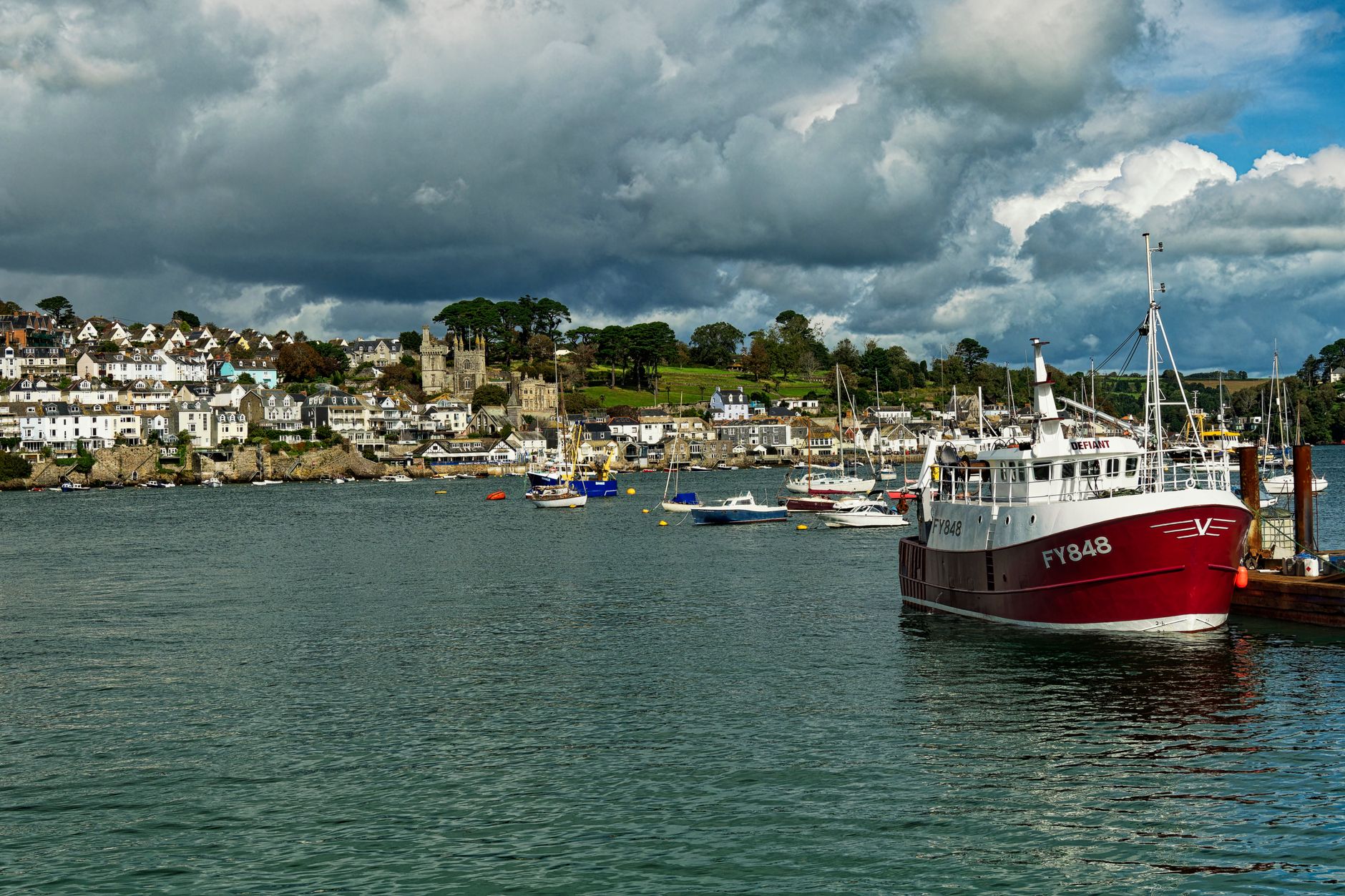
Take the picturesque harbour town of Fowey.
To the untrained eye, it looks like “Fow-ee” or “Fow-way”. Say that to a local, however, and you’ll be politely corrected before you’ve even ordered your cream tea.
It is pronounced FOY. One syllable, rhymes with joy.
So why on earth is it spelled F-O-W-E-Y?
If you look at historical maps and church records from a couple of hundred years ago, you’ll often see it written simply as Foy or Foye. So why add the extra letters?
Blame ancient Cornish and 19th-century mapmakers. The name comes from the Old Cornish word Fowydh, meaning “beech trees”. For centuries, locals just wrote down what it sounded like—Foy. But when official cartographers swooped in to standardise map spellings, they decided to reinstate the full historical suffix, giving us Fowey.
The spelling changed, but the local tongue refused to budge.
Coming Up Next in the Cornish Pronunciation Survival Guide:
- Bugle: No brass instruments required.
- Launceston: Less “Lawn-ses-ton”, more “Lawn-son”.
- Roche: It’s not French, so leave your “Rosh” at home.


Leave a Reply