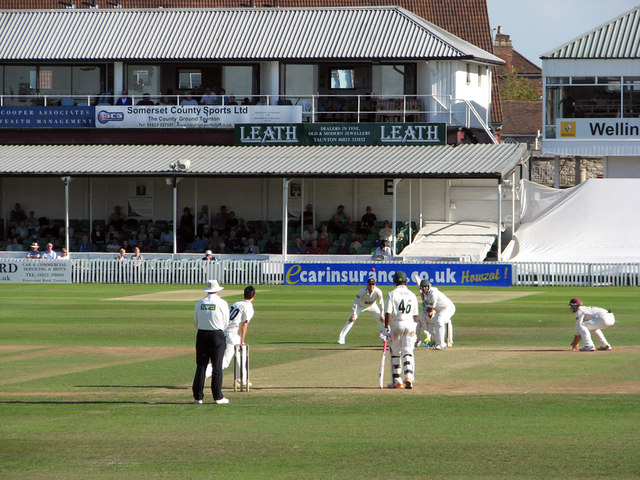

Cricket fielding positions sound like a mix between a Dickensian novel and a DIY hardware shop. If you’ve ever watched a match and wondered why a group of players are huddled together behind the batter like they’re waiting for a bus, you’re looking at the slips and the gully.
Let’s unpack the mystery of these positions, why they exist, and why the field suddenly flips when the batter changes ends.
1. Slips vs. Gulley: Isn’t a Gulley Just a Deep Slip?
Not quite! While they are neighbours, they have very different jobs based on how the ball behaves when it flies off the bat.
- The Slips: These players stand right next to the wicket-keeper, angled backward. They form a diagonal cordon (Slip 1, Slip 2, Slip 3, etc.). Their job is to catch the genuine edge—a ball that just glances off the side of the bat and flies relatively straight and fast.
- The Gulley: The gully stands further round, more square to the batter (closer to a point position). A gully isn’t just a deep slip; they are there for the squarer, sliced edge. When a batter tries to drive aggressively and the ball squirts off the side of the bat sideways rather than straight back, it heads straight to the gully. Because these shots involve more force, the gully often stands a yard or two further forward or back depending on the bounce of the pitch.
In short: If it chips off the edge and goes backward, it’s a slip. If it’s sliced off the edge and flies sideways, it’s the gully.
2. Why Are They Called “Slips” and “Gullies”?
Like many cricket terms, the names come from the 18th and 19th centuries and are wonderfully literal.
- The Slip: Originally, this fielder was told to stand near the wicket-keeper to take advantage of any “slips” (mistakes or errors) made by the batter. Over time, the name stuck to the position itself.
- The Gulley: A “gully” is a narrow channel or ravine. In cricket, the gap between the slips and the point fielder was seen as a natural channel where the ball frequently escaped for four runs. The fielder placed there to plug the gap was named after the channel itself.
3. Why Do You Need Them?
When a fast bowler is running in at 80+ mph, a batter rarely hits the ball perfectly down the middle of the bat. A tiny misjudgement means the ball hits the edge. Because the ball is travelling so fast, it deflects at incredible speed.
You need slips and a gully because human reaction time isn’t fast enough to run and chase these edges. Fielders must already be stationed exactly where the ball is likely to deflect, ready to take lightning-fast reflex catches.
4. Is the Wicket-Keeper Just a Different Type of Slip?
You could think of them as the captain of the catching crew! The wicket-keeper is the ultimate specialist, but functionally, they are the “First Slip” for balls that deviate only a tiny fraction, or for balls the batter misses entirely.
The biggest differences? The keeper gets gloves, wears pads, and stands directly behind the stumps, whereas the slips have to rely on bare hands and impeccable reflexes.
5. Leg vs. Off: The Moving Sides
If you’ve heard commentators talk about the “Leg Side” and the “Off Side” and felt confused about why they seem to swap around, you are not alone. It all depends on the batter’s stance.
- The Off Side: This is the side of the pitch opposite to where the batter stands. For a right-handed batter, it’s their right-hand side (where they look when they face the bowler).
- The Leg Side (or On Side): This is the side closest to the batter’s legs/toes.
Why do they move sides?
Because the field is anchored to the batter, not the grass. If a right-handed batter is at the crease, the left side of the ground (from the bowler’s view) is the Off Side.
But if a left-handed batter walks out, or the batters run a single and change ends, the perspective completely flips! What was the Off Side a moment ago suddenly becomes the Leg Side. Fielders have to scurry across the pitch to reset themselves according to the new batter’s stance.
So, the next time you see a ball fly between second slip and the gully, you can confidently turn to whoever is watching with you and say, “Ah, he found the gully channel perfectly there!”
Fun Fact: The Forbidden Gloves!
There are times when a batter hits a delicate little trick shot close to the wicket, and the wicket-keeper has to sprint forward to chase the ball or attempt a run-out. To move faster and get a better grip to throw the ball, the keeper will often rip off one or both gloves and fling them onto the grass.
So, can a nearby slip fielder quickly pop them on to protect their hands or make a flashy catch? Absolutely not!
Under the official Laws of Cricket (specifically Law 28), the wicket-keeper is the only player on the entire fielding side allowed to wear gloves or external leg guards.
The 5-Run Penalty
If another fielder picks up the ball using the keeper’s discarded glove—or if the ball simply rolls across the grass and hits the gloves while they are lying on the ground—the fielding side is instantly penalised.
The umpire will immediately award 5 penalty runs to the batting team, and the ball becomes “dead” (meaning no wickets can fall and no further runs can be scored on that delivery).
So, if the keeper throws their gear down, the rest of the fielders must treat it like hot lava!

Leave a Reply