
We often think of communication as something we do with words or body language. But as a young person once proved to me through a “Dewberry experiment,” our noses are doing a lot of the talking for us.
Why Smells Create Moods
While the science says we are just detecting molecules, the experience is much deeper. The olfactory bulb (the brain’s smell centre) is located right next to the amygdala and hippocampus. These are the parts of the brain responsible for:
- Emotion: Creating an immediate “vibe” or feeling before you’ve even processed what the smell is.
- Memory: Linking a specific scent to a specific person or place permanently.
When that young person wore Dewberry, she wasn’t just wearing a perfume; she was creating a “sensory anchor.” My brain associated that scent with positive interaction, making me subconsciously more likely to gravitate toward her.
Using Scent in Youth Work
In youth work, we are always trying to create “safe spaces.” We can use scent to help regulate the environment:
- Calming High-Energy Rooms: Scents like lavender or vanilla can subtly lower the “temperature” of a room during stressful sessions.
- Creating Ritual: Using a specific scent only during “reflection time” or “group circles” tells the brain it is time to focus and be quiet.
- Identity and Belonging: Just like the Dewberry experiment, a familiar, pleasant smell can make a youth centre feel less like a clinical building and more like a second home.
Beyond Humans: Smells in Nature and on the Farm
The way humans use smell for connection is mirrored in the natural world, though often for survival rather than socialising.
The Bee’s “Scent Map”
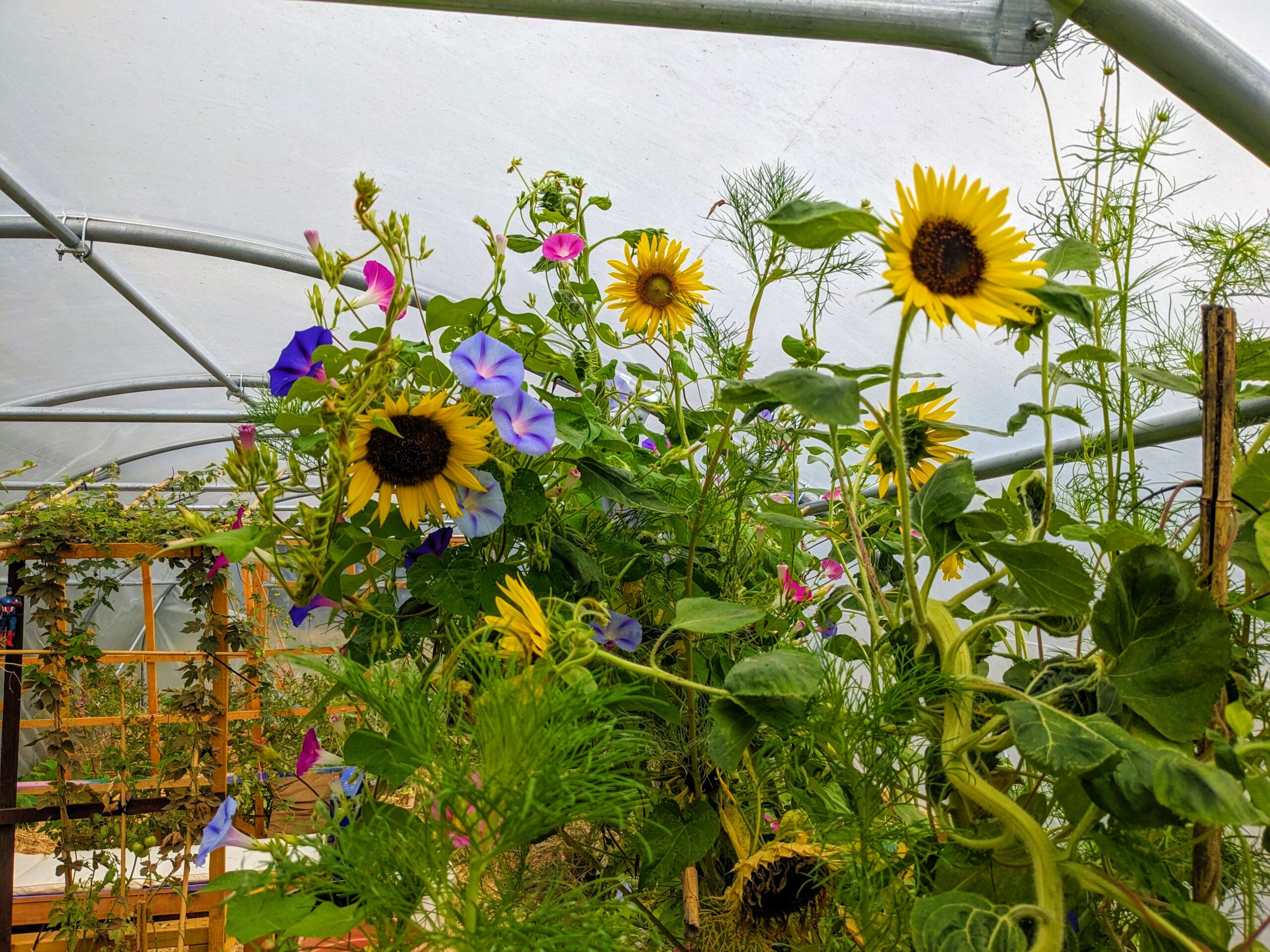
Bees are master navigators. While they use bright colours to find flowers from a distance, they use scent for the “landing.”
Floral Guides
Flowers produce specific scents to guide bees to the nectar.
Pheromones
Bees also use smell to communicate with each other. If a bee finds a great source of pollen, she leaves a scent trail for others to follow. It’s their version of a “highly recommended” review!
Birds: Shape and Sight
Unlike bees, most birds (with a few exceptions like the albatross) have a poor sense of smell. They are visual hunters. They rely on:
- Geometry: Recognising the specific shape of a berry or a silhouette of a predator.
- Spatial Memory: Remembering exactly which tree held the best fruit last season.
How this works on the Farm
On a farm, smell is the primary language of the livestock. It is used for:
- Maternal Bonding: A ewe or a cow recognises her offspring primarily by scent. If a lamb smells “wrong,” the mother might reject it.
- Safety and Stress: Animals can actually smell “fear” pheromones in the sweat of other animals. If one animal is stressed, the whole herd knows it through the air before they see a threat.
- Grazing: Cows will often use their noses to distinguish between sweet grass and weeds that might be toxic.
A Final Thought
Whether it’s a bee finding a flower, a farmer checking his herd, or a youth worker building rapport, smells connect us to our environment in ways words never could. Next time you’re in the middle of a busy session, take a breath—what is the “scent” of your room saying?
How do you think your regular group of young people would react if you introduced a specific “signature scent” to your sessions?

Leave a Reply