
Living in the kingdom of God here and now is about embodying the character of the King in the ordinary, everyday fabric of life. Jesus often spoke of the kingdom as something both present and coming—like yeast working through dough or a mustard seed quietly growing into a shelter. It is not an abstract realm waiting for us in the future, but a transformative way of being that touches how we work, care for the earth, use technology, and mentor others.
Caring for Creation: Tending vs Subduing
The Old Testament theme of conquering and subduing (radah and kabash) has often been misunderstood as a licence to exploit the earth. When placed in the fuller biblical context, humanity’s role in Genesis 2 is defined as avad (to serve, cultivate, or work) and shamar (to protect, guard, and keep). In the New Testament, Jesus reframes all authority and rule around servant-hearted stewardship, not domination.
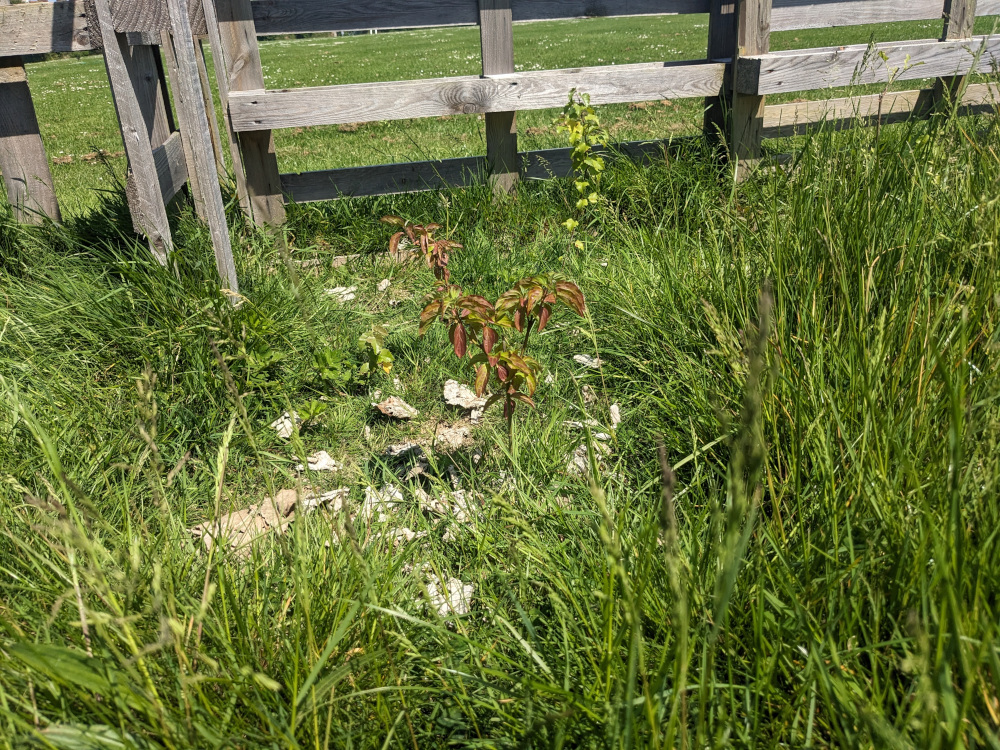
Planting trees, caring for soil, stewarding wildlife, and treating the physical world with tenderness are deeply kingdom-minded acts. Romans 8 speaks of creation groaning, longing to be liberated along with the children of God. When you plant a tree or care for the land, you are participating in God’s ongoing redemption of all things, declaring that what God called “very good” is worth tending.
Navigating Modern Tools and AI
Technology, including AI, sits in the realm of human culture and toolmaking. Like any resource, the Christian question is never merely “Can I use it?” but “How does using it serve love, truth, and stewardship?”
It is entirely right to weigh the resource cost of high-power digital infrastructure against the good it enables. Using tools with intentionality—to teach, solve problems, reduce friction in meaningful work, or spark creative ideas—is consistent with wise stewardship. The key is balance: let technology remain a servant to human flourishing and genuine connection, rather than allowing efficiency or convenience to replace patience, presence, and real-world relationships.
Leave a Reply