
Cricket terminology is a wonderful rabbit hole of eccentricity. To the uninitiated, listening to a commentary team discuss a bowler delivering a googly while a fielder crouches at Silly Mid On sounds like a completely different language.
But while positions like Silly Mid On, Silly Mid Off, and Silly Leg sound downright absurd, there is a brilliant, logical method to the madness. Once you understand how the field is split and how captains use these positions to set tactical traps, it all makes perfect sense.
The Core Difference: “On” vs. “Leg” vs. “Off”
To make sense of these positions, you have to look at the cricket ground as two distinct halves, bisected by an imaginary line running straight down the centre of the pitch from wicket to wicket.
The naming conventions depend entirely on which side of the bat the batter is facing:
- The Leg Side (also called the On Side): This is the half of the field that is behind the batter’s body when they take their stance. For a right-handed batter looking straight ahead at the bowler, the Leg/On side is to their left.
- The Off Side: This is the half of the field in front of the batter’s body—the side where the face of the bat naturally points. For a right-handed batter, this is to their right.
“On” vs. “Leg”
While “On Side” and “Leg Side” refer to the exact same half of the field, the specific words used in fielding names tell you where the fielder is standing relative to the batter’s popping crease:
- “On” positions are located in front of the batter’s crease (pointing down towards the bowler’s end). For example, Mid On or Silly Mid On.
- “Leg” positions are located behind or square with the batter’s crease (pointing back towards the wicket-keeper’s end). For example, Square Leg or Silly Leg.
The Great Flip: Right vs. Left-Handed Batters
Because these terms are tied to the batter’s body, the entire field dynamically flips when a left-hander takes the strike.
If a right-handed batter is at the crease, the Leg/On side is on the left side of the ground (looking from the bowler’s perspective). The moment a left-handed batter steps up, the Leg/On side instantly mirrors itself and switches to the right side of the ground. The fielders don’t physically change their roles, but the technical names of their positions change in a heartbeat.
Going to the “Silly” Positions
Whenever you hear the prefix “Silly” in cricket, it means one thing: the fielder is standing dangerously close to the batter—often just two to three metres away.
- Silly Mid On: Crouching on the Leg/On side, slightly in front of the batter’s crease.
- Silly Mid Off: The mirror image on the Off side, just to the right of a right-handed batter.
- Silly Leg: Standing on the Leg side, but square or slightly behind the batter’s stance.
Why are they called “Silly”?
Quite simply, because historically it was considered silly (reckless or foolish) to stand that close to a batsman swinging a heavy willow blade at a hard leather ball. Before modern protective gear, taking a full-blooded pull shot to the shin or forehead from three yards away was a genuine occupational hazard.
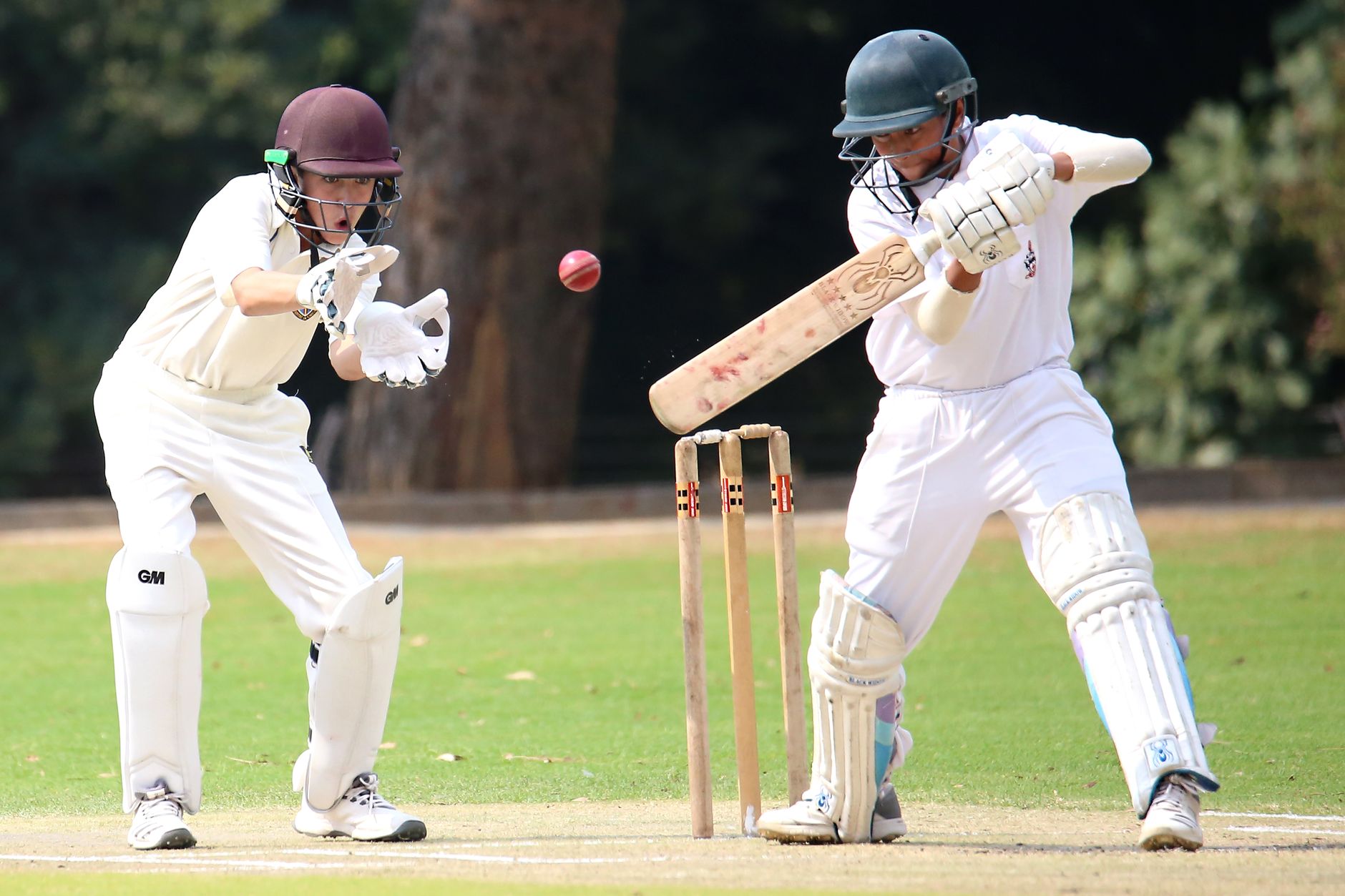
Today, you will see these fielders wearing heavy protection: shin guards hidden under their trousers, thigh pads, a chest guard, an abdominal protector (box), and a full helmet with a sturdy visor.
The Evolution: From “Silly Leg” to “Short Leg”
While you still hear Silly Mid On and Silly Mid Off used regularly today, the position historically called Silly Leg is now almost universally referred to as Short Leg (or Forward Short Leg) in the modern game.
This shift happened for two reasons. First, as cricket tactics became more refined, captains needed more precise terminology—adding “Forward” or “Backward” to “Short Leg” told the fielder exactly which angle to cut off. Second, as body armour made the position less of a “suicide mission” and more of a calculated, professional speciality, the old-fashioned, slightly mocking term “Silly Leg” naturally gave way to the cleaner, more technical Short Leg.
The Tactical Trap: Why Captains Risk It
Putting a fielder at Short Leg or Silly Mid On isn’t just about trying to intimidate the batter—it is a highly calculated tactical trap, most commonly deployed when a spin bowler is operating or on pitches that are dry, dusty, and crumbling.
The strategy relies entirely on creating a classic cricket dismissal known as the Bat-Pad.
How the Trap Works
When a spin bowler (particularly an off-spinner) turns the ball sharply into the batter’s body, the batter is forced into a defensive frame of mind.
- The Reaction: To protect their stumps, the batter smothers the ball by pushing their bat forward, right next to their front pad.
- The Mistake: If the ball bounces a bit higher than expected, or catches the edge of the bat, it ricochets off the willow, hits the pad, and pops gently into the air.
- The Catch: Because the ball has lost all its forward momentum, it loiters in the air just two or three yards away from the stumps—exactly where Short Leg or Silly Mid On is crouching, waiting to pounce.
Psychological Warfare
Beyond the physical catch, having a fielder standing close enough to breathe down your neck introduces a massive psychological element:
- Claustrophobia: It makes the pitch feel incredibly cramped. The batter knows that any slight misjudgment or mistimed defensive push will result in an instant catch, creating immense pressure.
- Forcing the Big Shot: Often, a batter will get so frustrated by the presence of a close-in fielder that they will try a high-risk shot—like a big sweep or a lofted drive—just to clear the fielder and force the captain to move them away. This rash decision is exactly what the bowler is fishing for.
So, the next time you see a fielder wearing a helmet and crouching right next to the bat, know that they aren’t just standing there for fun. They are the jaws of a calculated trap designed to turn a perfectly sensible defensive block into a match-changing wicket!


Leave a Reply