There is a quiet poetry in the way we used to measure out our world and count our pennies, a texture of language that has steadily faded behind neat, sterile rows of tens. We have traded character for convenience. Where we once moved through a landscape carved by human hands and honest labour, we now measure in millimetres and cents, forgetting the wonderful weight and rhythm of words that tied everyday life directly to the earth.
Think of the old ways we paced out the land. A chain wasn’t just an abstract number on a surveyor’s blueprint; it was twenty-two physical yards of linked iron, exactly the distance between the wickets on a summer cricket pitch. Ten chains made a furlong—literally a ‘furrow-long’, the distance a team of working oxen could plough before stopping to blow and take a breather. Eighty chains, or eight furlongs, stretched into a mile. An acre was simply what a man and his team could till between dawn and dusk, while a rod, pole, or perch gave you five and a half yards of practical, hedge-line wisdom. These measurements had mud on their boots, sawdust on their cuffs, and the sweet smell of cut grass about them.
Then came the money in our pockets, clinking with history and personality. Nothing today compares to the names we gave our coins. You could start your morning with a tiny brass farthing—a fourth-thing—or a bronze halfpenny, affectionately known to everyone as a ha’penny. There was the honest penny, the thick silver threepenny bit that felt like treasure in a child’s palm, and the sixpence that brought good luck tucked inside a birthday card or Christmas pudding.
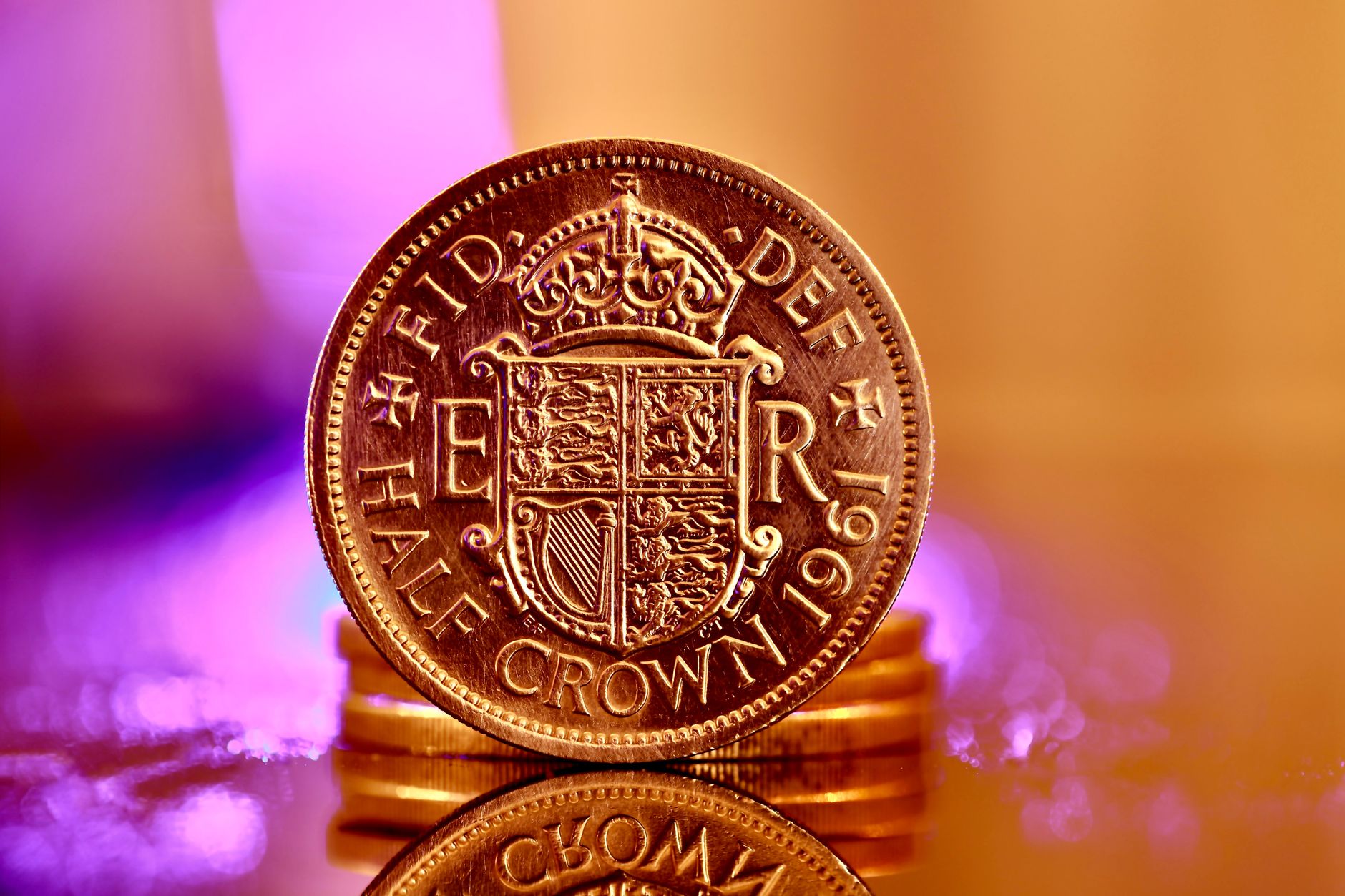
A shilling was a bob, two shillings made an elegant florin, and then came the grand half-crowns and crowns. A pound was twenty shillings, two hundred and forty pennies, and if a gentleman bought a horse, paid an artist, or settled a tailor’s bill, he paid in guineas to keep a touch of class. Down in the market and around the racecourses, you had the lively slang that made commerce feel like banter: a pony was twenty-five quid, a monkey was five hundred, and everyone knew the score without having to consult a screen.
What we often overlook is the sheer mental agility all of this quietly taught us. Long before calculators lived in our pockets, school children mastered the twelve times table not as an abstract chore, but because twelve inches made a foot and twelve pennies made a shilling. You learned to divide by three, four, six, and twelve almost by second nature. You were constantly calculating quarters, sixteenths, stones, hundredweights, and yards in your head at the grocer’s counter or the timber yard. It was practical, everyday gymnastics for the brain, woven naturally into the fabric of growing up.
Losing that language has made the world a little more uniform, perhaps, but certainly a little less colourful. Those old words carry the echoes of village pitches, dusty workshops, bustling high streets, and the warmth of a time when the way we measured the day felt entirely, comfortably human.

Leave a Reply