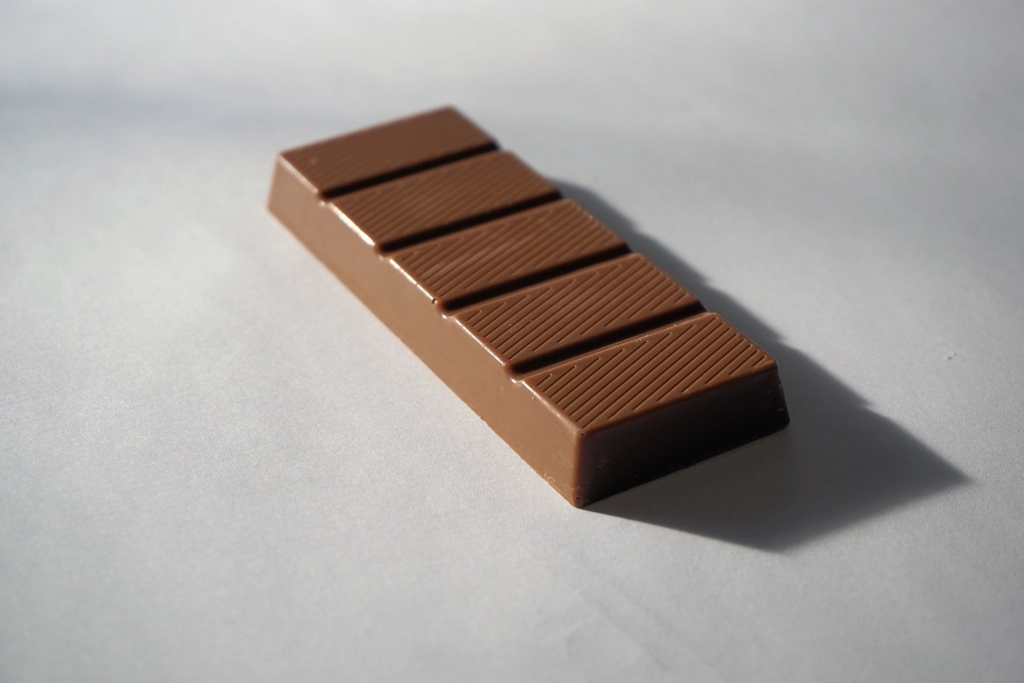

My daughter Mia often comments that inflation can be seen by looking at Freddo bars. Mia’s observation is spot-on, as the price has undergone its most dramatic period of change and public outrage right around 2017 (when Mia was 8).
| Approx. Year | Average Price (p) | Price Mia saw (Age 8, 2017) | Average Price Now (2025) | Weight (Grams) | Change Summary |
|---|---|---|---|---|---|
| 2017 | 25p (Rising to 30p in March) | 25p to 30p | 35p to 40p (Varies by retailer/promotion) | 18g (Reduced previously from 20g) | Price has increased by approximately 40% to 60% since early 2017. |
1. The Price Hike
- 2017: The price rose from 25p to 30p in March 2017, which caused significant public outcry at the time.
- 2018: Cadbury (Mondelēz) did briefly cut the price back to 25p in some independent retailers due to this backlash, but this was generally short-lived.
- 2022 – Present (2025): The price has continued to climb, settling most recently between 35p and 40p in many major retailers, with some small convenience stores charging up to 49p or even £1.
2. The Size Change (Shrinkflation)
Mia is likely experiencing the combined effect of price hikes and shrinkflation.
- The Freddo bar was originally 20g when it was sold for 10p in the 1990s.
- The standard size was reduced to 18g in the years leading up to 2017, meaning you get less chocolate for a far higher price.
- Crucially, recent reports suggest that the multipacks of Freddos have also been hit by shrinkflation, often dropping from five bars to four bars for the same price of around £1.40.
📈 The Freddo Index vs. UK Inflation
The term “Freddo Index” is used humorously because the bar’s price rises have consistently outpaced the official UK rate of inflation (Consumer Price Index, or CPI).
The Disparity
- Since the 10p era (2000): Experts have calculated that if the price of a Freddo had simply risen in line with average UK inflation since it cost 10p in the early 2000s, it would only cost around 15p to 20p today.
- The Reality: The current price of 35p to 40p means the price has risen much faster than general inflation.
Why the Price Rises?
The reasons given for the price increases go beyond general inflation and relate specifically to the high cost of producing chocolate:
- Commodity Costs: The global price of cocoa, milk, and sugar—the raw ingredients for the bar—has risen sharply. Cocoa prices, in particular, have soared in recent years.
- Currency Fluctuations: After the 2016 Brexit vote, the value of the Pound sterling (£) fell. Since key ingredients like cocoa are bought in US dollars, this weaker Pound makes production immediately more expensive for UK manufacturers like Cadbury (owned by the American company Mondelēz).
- Operational Costs: Increased costs for energy, transport, and labour in the UK have to be factored into the retail price.
In short, Mia’s pocket money does not go nearly as far as it used to for her favourite frog-shaped treat!


Leave a Reply