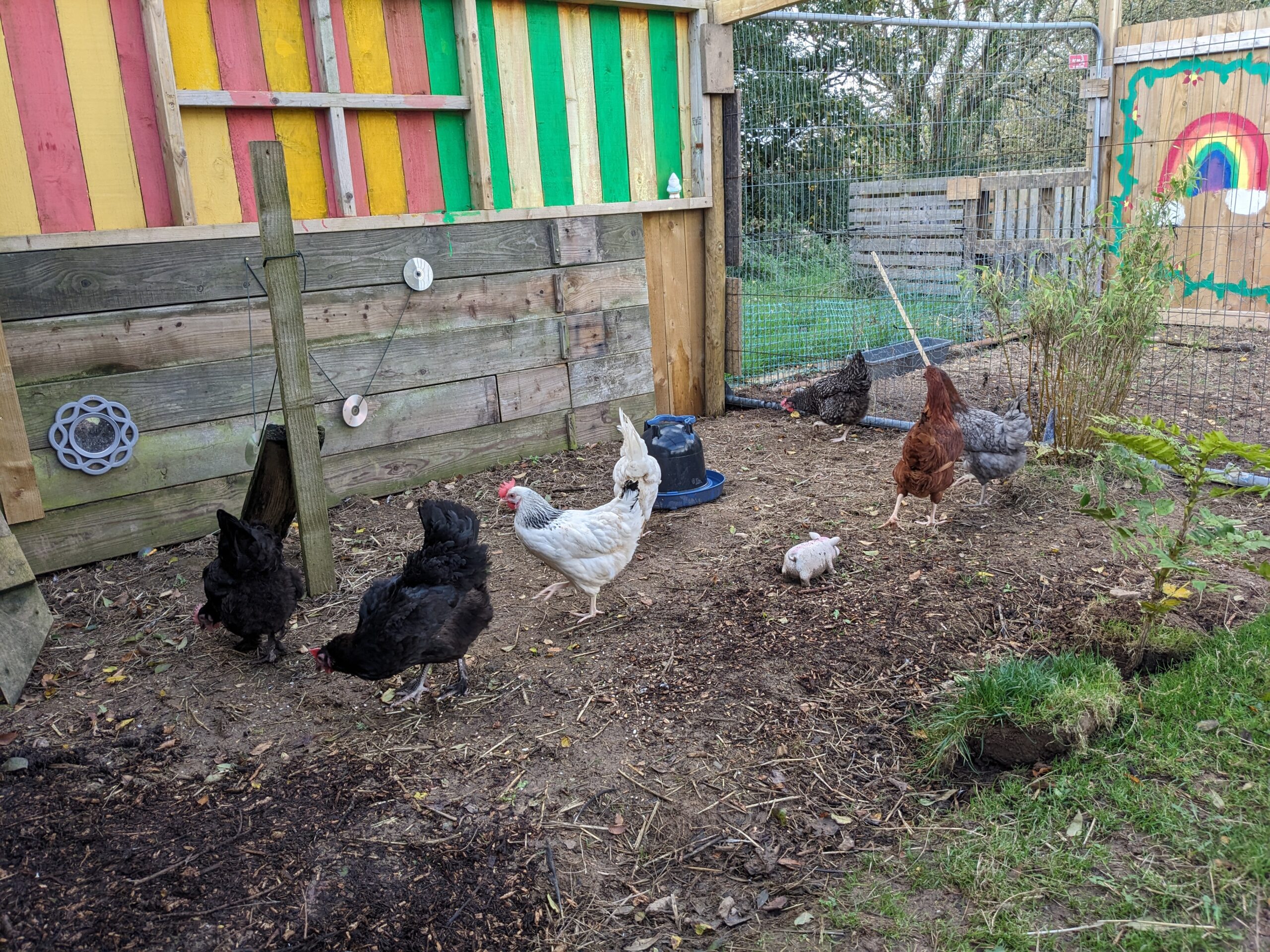

Electric fencing is a popular choice for protecting chickens because it acts as a psychological barrier rather than a physical one. The brief, sharp shock deters predators without causing serious harm. We will combine it with our Haras fencing cage.
Here’s a breakdown of its benefits and how to set it up effectively:
Benefits of Electric Fencing for Chickens
- Deters a Wide Range of Predators: A well-set-up electric fence can deter foxes, stoats, weasels, badgers, and even cats and dogs. The shock is unpleasant enough to make them think twice about approaching your chickens.
- Flexible and Adaptable: Electric fencing can be easily moved and reconfigured to suit your needs. This is particularly useful for rotational grazing or if you want to temporarily enclose an area.
- Cost-Effective: Compared to solid fencing, electric fencing can be a more affordable option, especially for larger areas.
- Safe for Chickens: While the shock is unpleasant, it’s not harmful to your chickens. They’ll quickly learn to avoid the fence.
Will it Deter All UK Predators?
- Foxes: Highly effective. Foxes are intelligent and will quickly learn to avoid the fence after a single shock.
- Stoats and Weasels: Generally effective, but these agile creatures can sometimes squeeze through small gaps. Ensure the bottom of the fence is secure.
- Badgers: More challenging. Badgers are powerful diggers and can be persistent. A strong energiser and a well-maintained fence are crucial. Consider using electric netting with smaller mesh at the bottom.
- Other Predators: Effective against cats, dogs, and most birds of prey.
Setting up Your Electric Fence
- Energiser: Choose an energiser appropriate for the length of your fence and the types of predators in your area.
- Fence Posts: Use sturdy posts suitable for the height of your fence. Space them appropriately (around 10 feet apart).
- Electric Wire/Netting: Electric poultry netting is a popular option, especially for smaller flocks. Alternatively, use multiple strands of electric wire.
- Earth Stake: Essential for a functioning electric fence. Ensure it’s properly installed in damp ground.
- Fence Tester: Regularly test the voltage of your fence to ensure it’s working correctly.
Height and Strands
- Height: For most chickens, a fence height of 4-6 feet is sufficient.
- Strands: Multiple strands are more effective than a single strand. Aim for 3-4 strands, with the bottom strand closer to the ground to deter smaller predators.
Off-Grid Operation
Yes, you can run an electric fence off-grid! Consider using a solar-powered energiser. This is a great option for areas without mains electricity.
Important Notes
- Regular Maintenance: Keep the fence clear of vegetation and debris to prevent short circuits.
- Grounding: Proper grounding is crucial for the fence to function correctly.
- Training Your Chickens: Introduce your chickens to the fence gradually so they learn to avoid it.
By following these guidelines, you can create a safe and effective electric fence to protect your chickens from predators.


Leave a Reply