Robins

Robins are famously claustrophobic when it comes to standard birdhouses. They will not use a box with a round hole. They require an open-fronted box where the top half of the front panel is completely missing.
Mount the box low down, typically below 2 metres (6 feet) from the ground. They need their boxes tucked away into dense cover—hidden amongst ivy, deep inside a thick hedgerow, or obscured by climbing plants on a wall.
Robins are insectivores. Their absolute favourite treat is mealworms (live or dried), though they also love sunflower hearts and crushed suet balls fed from a flat tray rather than a hanging mesh feeder.
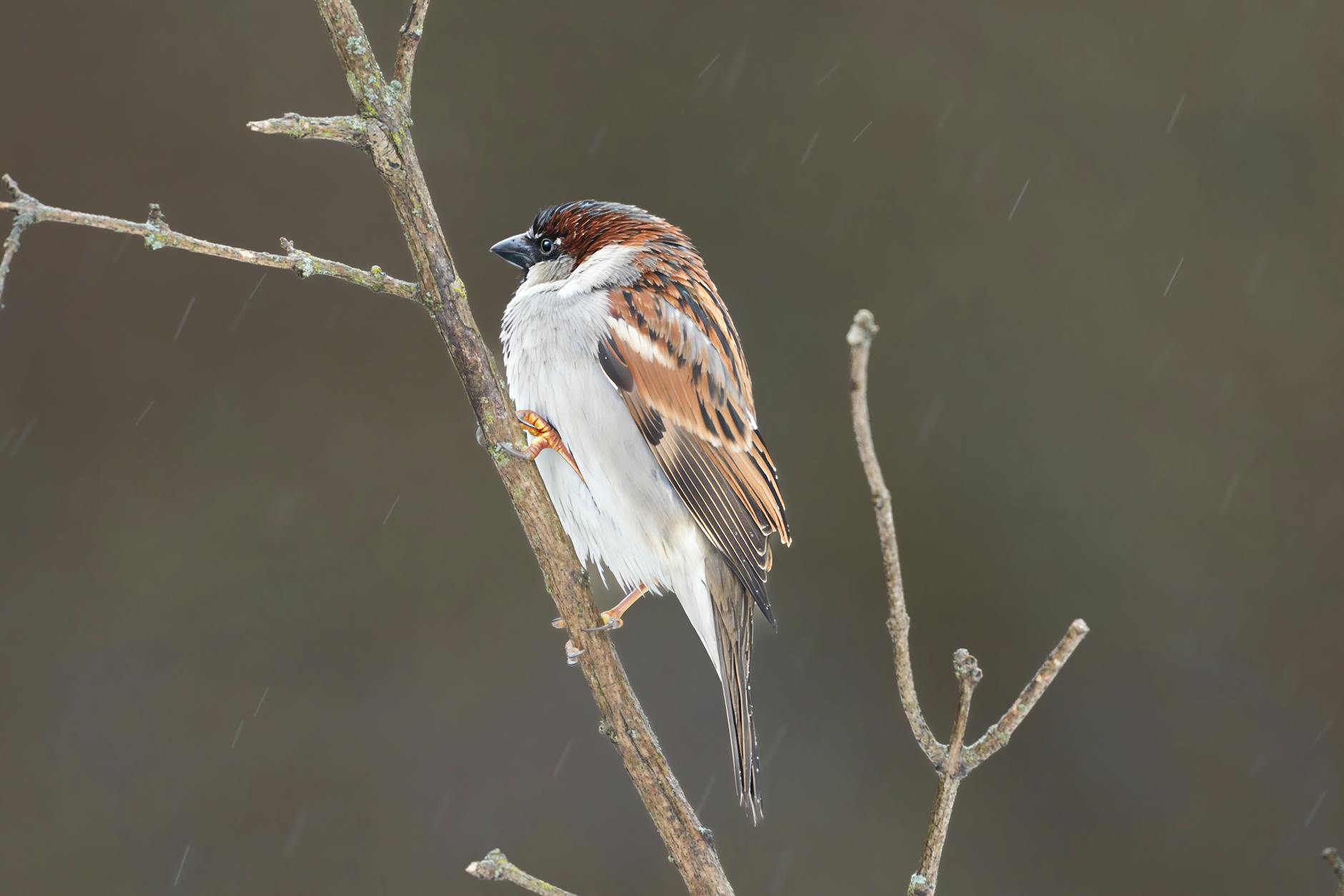
House Sparrows

Sparrows are incredibly social and love to live in communities. Instead of a single box, they prefer a “sparrow terrace”—a single long wooden structure divided internally into three or more separate apartments, each with its own 32mm entry hole.
Mount the boxes high up, at least 2 to 3 metres (up to 10 feet) off the ground. They love being right under the eaves of a building, or high up on the flat external timber walls of a barn where they can chatter together safely.
Sparrows are unpicky seed-eaters. They thrive on standard high-quality mixed birdseed containing red millet, white dari, and naked oats, easily served from standard hanging tube feeders.
A popular additional bird would Blue or Great Tits but for these we would need to use the surrounding trees. The boxes would not sit in the farm but in the trees behind the farm. They are on school property but mounting them will be hard.
Pied Wagtails (Bonus Small Farm Bird)
Like the robin, they require an open-fronted box or a box with a very large, wide entry slit.
They are true farmyard birds. They love being near ground activity but out of reach of predators, making the interior girders, beams, or ledges inside an open barn an ideal home.
The Challenge to Students
The Goal: Frame the mission and spark observational thinking.
“Welcome, everyone! Look around the farm. We have the space, we have the weather, but Richard has noticed we are missing a vital ingredient: the noise of birds and wildlife. Today, we are changing that.
Birds don’t care about how pretty a drawing looks; they care about shelter, safety, and full bellies. Over the next fifteen minutes, we are going to walk this site to find the exact spots where your designs will actually work.
The Goal: Connect architectural structures to communal or bold birds.
“Let’s step over to the barn. Notice how high up the eaves go, and look at the flat wood siding. If you were a small bird, this looks like a massive, safe cliff face.
This high, open woodwork is exactly what House Sparrows look for. They like to live in tight-knit communities, chatter to their neighbours, and look down on the farmyard. If your design is a communal ‘terrace’ or a high-mounting box, this is your zone.
Look inside the open framing too—sheltered beams out of the wind are perfect for Pied Wagtails.
The Goal: Teach orientation, height, and clean entry requirements.
“Now, look up at these established trees. See how the trunks are sturdy but the upper branches offer a clear runway out into the open air? This is the territory of the Blue Tits and Great Tits.
They need height—at least two to three metres up—so ground predators can’t reach them. But they also need a clear, unblocked flight path straight into the hole. If your design features a small, precise circular entrance, look for a solid tree trunk or a thick, vertical bough.
Crucial tip: Look at where the sun is hitting right now. You don’t want your bird box turning into an oven. We need to mount these facing north-east, away from direct blazing heat and wet south-westerly gales.”
The Goal: Highlight ongoing conservation work and low-level camouflage.
“Finally, let’s look down here at this hedge we are working hard to grow. It might look low and not very dense right now, but this is a goldmine for wildlife. This tangle of ground-level branches will hopefully become thick and will become the absolute favourite haunt of the Robin.
Robins want to be close to the insects in the soil, but they are terrified of magpies and crows seeing their nests. They need an open-fronted design, but it must be completely hidden inside this greenery. If your design is low-profile and open, your job is to find a gap right inside the heart of this hedge where it can blend in perfectly.
Let’s head back to the workshop space. You have the next hour to refine your designs using the natural elements you’ve gathered, and pick your exact mounting spot!”


Leave a Reply