Choosing Your 30 Native Trees
During the winter we will be working on several projects but the main one is the building of a couple of woodland copse’s. We want to create two areas, one for quiet space and a second one built to develop into a forest school area.
For a natural-looking copse, it’s best to use a mix of species. We want to plant a variety of heights and canopy types, which will provide a more diverse habitat. The following native trees are all excellent choices for the UK and should do well in Cornwall’s climate.
- Silver Birch (Betula pendula): A beautiful, fast-growing tree with distinctive silvery-white bark. It has a light canopy, so it won’t cast too much shade, allowing other plants to grow underneath.
- Rowan (Sorbus aucuparia): A smaller, elegant tree that is well-suited to exposed sites. It produces clusters of creamy-white flowers in spring and vibrant red berries in autumn, which are a favourite with birds.
- Wild Cherry (Prunus avium): Stunning with its white blossom in spring, this tree will also produce small cherries for wildlife.
- Hazel (Corylus avellana): A smaller, multi-stemmed tree or large shrub that can be coppiced. It’s a great choice for providing hazelnuts and early catkins for pollinators.
- Oak (Quercus robur): Our most iconic native tree, the oak supports a huge variety of wildlife. For a small copse, it’s a good idea to plant one or two as a feature, keeping in mind their eventual size.
- Holly (Ilex aquifolium): This evergreen provides excellent year-round cover for birds and mammals, with its bright red berries being a vital food source in winter.
Natural Mulching and Ground Cover
We want a natural approach to mulching. The best method is to mimic a real woodland floor.
- Wood Chips: A thick layer of wood chips (8-12 centimetres deep) from a local tree surgeon is a superb mulch. It will suppress weeds, retain moisture, and break down slowly to feed the soil. Over time, it will create a rich, loamy topsoil.
- Leaf Litter: The most natural mulch is fallen leaves. You can either let them accumulate naturally or add your own, which will break down into “leaf mould” – a fantastic soil improver.
- “No-Dig” Method: Avoid digging the soil after planting. This helps to preserve the natural fungal and bacterial networks in the ground, which are vital for healthy tree growth.
Native Under-planting
To create a full woodland ecosystem, the space under your trees can be planted with native shrubs and flowers.
- Strawberries: Wild strawberries (Fragaria vesca) are a brilliant choice for ground cover. They will spread and provide a crop of small, flavourful berries while also suppressing weeds.
- Mulberries: While the black mulberry (Morus nigra) is not native to the UK, it has been grown here for centuries and is a much-loved heritage tree. It will grow well here and provide a fantastic crop of juicy fruit. As it doesn’t self-seed, it won’t become invasive.
- Shrubs: We could also include shrubs like Dog Rose (Rosa canina) which will provide attractive flowers and rosehips for wildlife, or Elder (Sambucus nigra), which offers flowers and berries for cordials and jams.
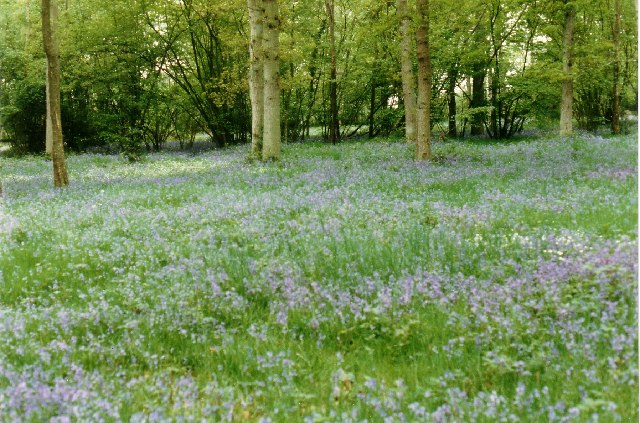
- Wildflowers and Ferns: To add colour and interest, we will consider planting native woodland wildflowers and ferns. Bluebells (Hyacinthoides non-scripta), Primroses (Primula vulgaris), Foxgloves (Digitalis purpurea), and various native ferns will all thrive in the dappled shade.
By combining a variety of trees with these under-planting and mulching techniques, we will create a beautiful, low-maintenance, and wildlife-rich copse that will be a real asset to our farm.


Leave a Reply