
Tag: Sport
-
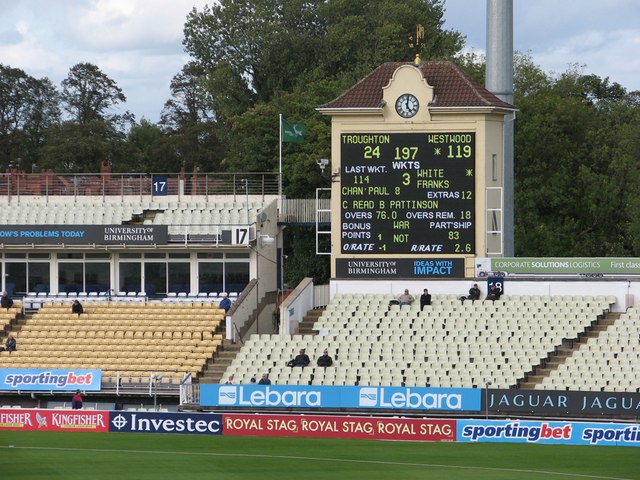
The Duckworth-Lewis-Stern (DLS)
Greetings! Welcome to the peculiar world of cricket. Since you’ve just landed in Britain, you’ve likely noticed our obsession with a game that stops for tea and can last for five days. The Duckworth-Lewis-Stern (DLS) method is a mathematical formula used to decide the winner or set a new target when a “Limited Overs” match…
-
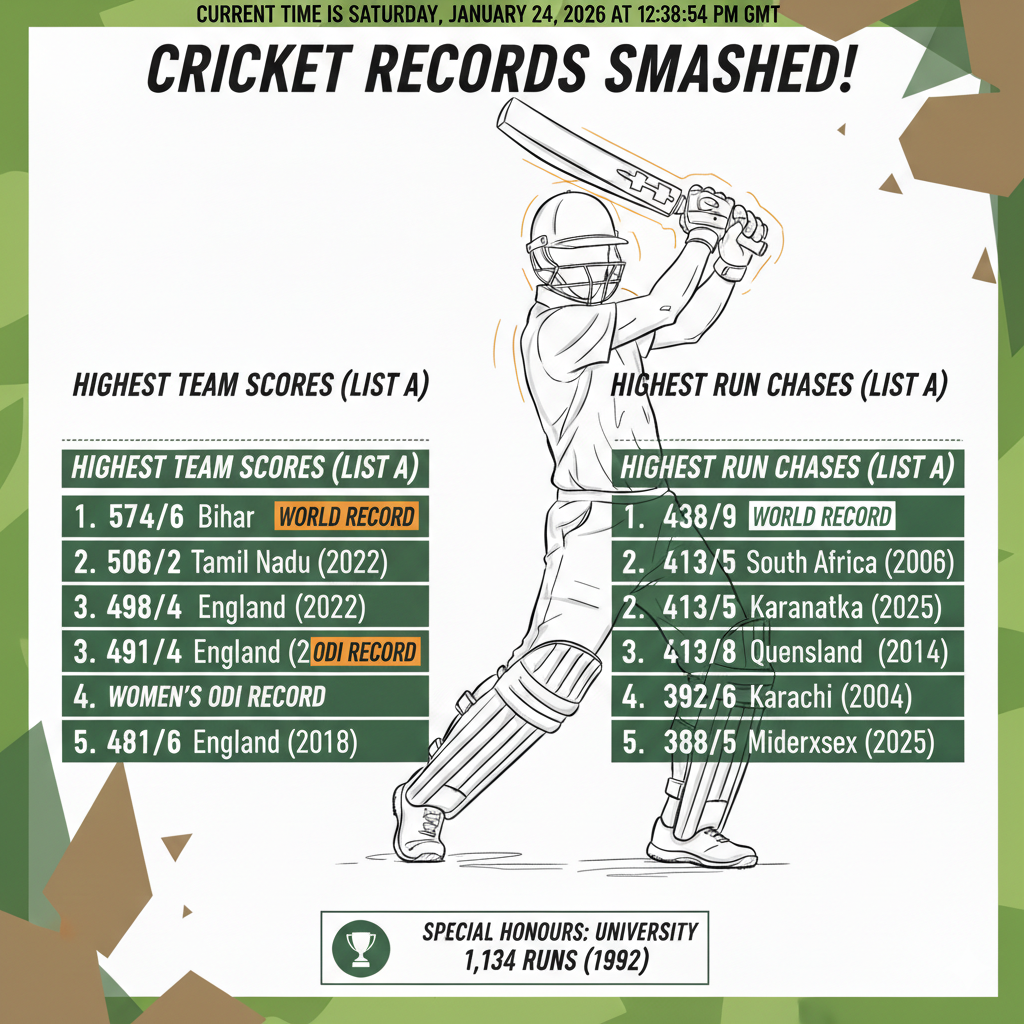
The Impossible Chase: When 400+ Wasn’t Enough!
Following on from our look at the massive totals teams are posting these days, the real question is: Can they be chased? For decades, a score of 300 was considered “match-winning.” Today, even 400 isn’t a guarantee of safety. The “438 Game”: The Gold Standard We can’t talk about run chases without mentioning the legendary…
-
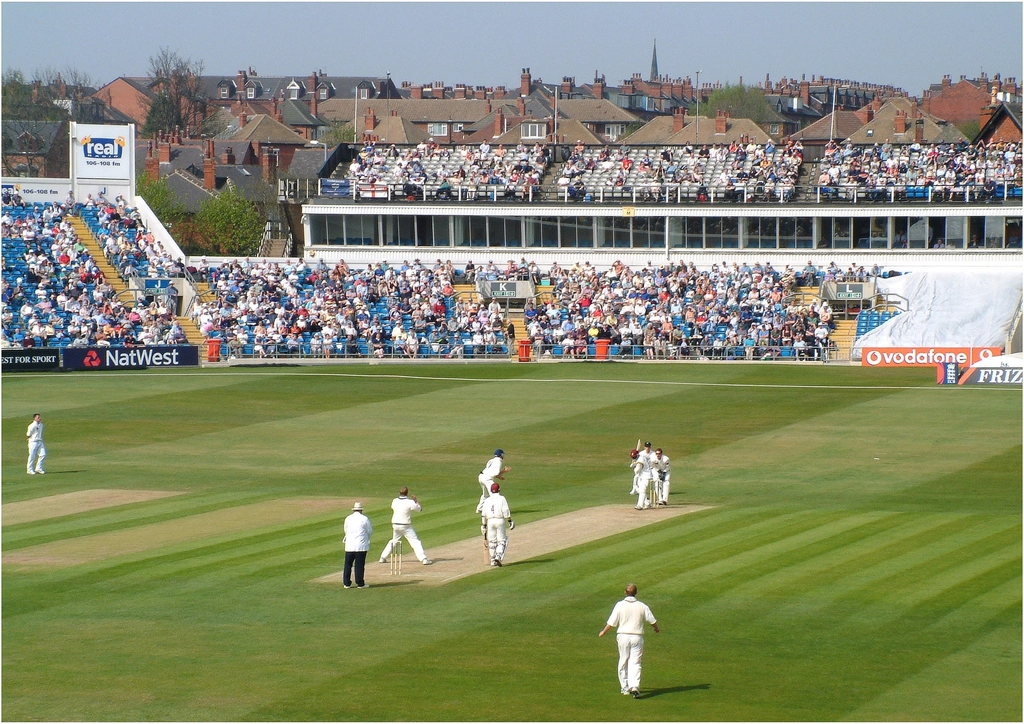
The Day Cricket Rewrote the Record Books
For those who might be new to the sport, Limited Overs Cricket (often called “One Day” cricket) is the high-energy, faster-paced version of the game. Unlike traditional Test matches that can last five days, each team is restricted to a set number of overs—usually 50. It’s a race against time and deliveries where every ball…
-

Cricket: Why are there so many different versions?
One of the most unique things about cricket is that it comes in different “lengths.” It’s like having a choice between a 30-minute sitcom, a blockbuster movie, or a week-long TV box set! Here are the three main ways the game is played The “Sprint”: T20 (Twenty20) The Length: About 3 hours (perfect for an…
-
Cricket 101: What’s the deal with 4s and 6s?
If you’ve ever watched cricket and wondered why the crowd suddenly goes wild when the ball hits a rope, here is the “cheat sheet” for the two biggest scores in the game! In cricket, the field is surrounded by a rope called the boundary. If a batter hits the ball to that rope, they get…
-

The Art of the “Choke Tackle”
Ever wonder why rugby defenders sometimes try to keep an opponent standing up rather than bringing them to the turf? That’s the Choke Tackle in action! What is it? A choke tackle happens when one or more defenders wrap up the ball-carrier and hold them upright. By preventing the player’s knees from touching the grass,…
-
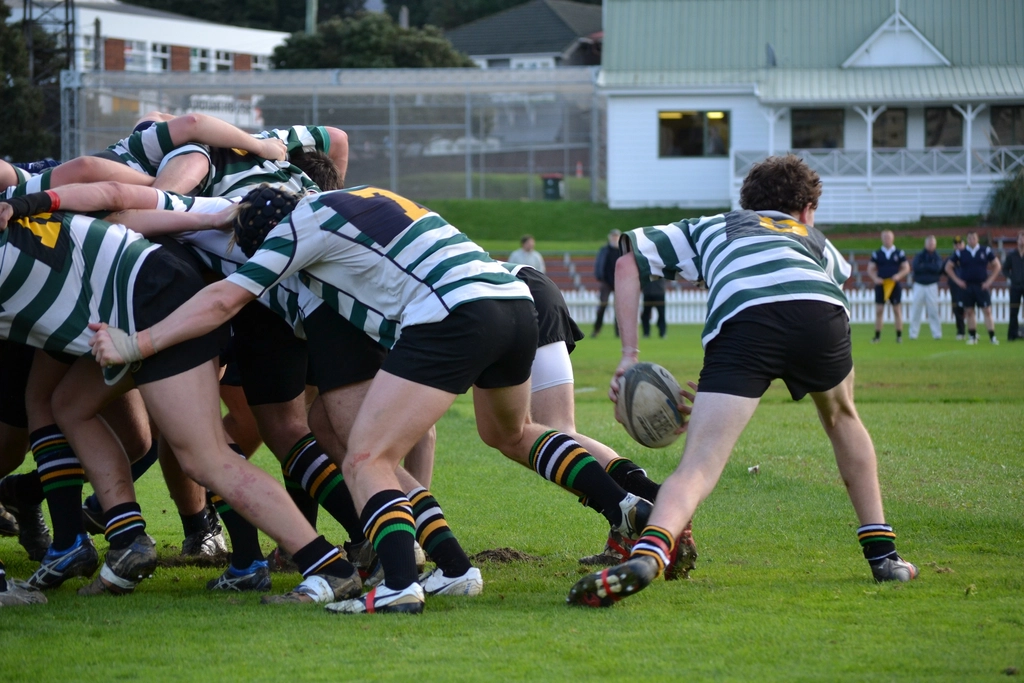
Rugby Decoded: The Difference Between a Ruck and a Maul
If you are new to watching rugby, the game often looks like a series of random pile-ups. But those pile-ups have names! The two you will see most often are the Ruck and the Maul. Here is the easiest way to tell them apart: The Golden Rule: Look at the Ball 1. The Maul (The…
-

Rugby for Beginners: What is that moving huddle?
Rugby Explained: The Maul If you have ever watched rugby and wondered why a group of players are hugging each other while walking slowly up the pitch, you are looking at a Maul. Here is what is actually happening in that chaotic pile of bodies: 1. The “Human Bus” A maul starts when a player…
-
Building Bridges, Not Barriers: Fostering Communication in Young Female Footballers
Football is more than just a game; it’s a team sport that thrives on communication. For young girls entering the world of UK football, learning to pass, shoot, and defend is crucial, but equally important is developing effective communication skills. These skills not only enhance their performance on the pitch but also empower them off…
-
Level Up Your Game: 3 Keys to Football Success
The best team in the world is the year 9 girls football team. Here are some tips to make you even better! Communication Football is a team sport, and that means talking to each other! Call for the ball, tell your teammates where the opponents are, and encourage each other. Don’t be afraid to shout…
-
Life’s Innings: A Cricketing Commentary on the Gospel
An alternative Gospel commentary, with a bit of a Somerset spin (pun intended!): Imagine life as a cricket match. We’re all batsmen out on the pitch, facing the bowling attack of temptation, hardship, and sin. Sometimes, life bowls us a real googly – a curveball that leaves us stumped and unsure. It can feel like…
-
Cricket – The batsman didn’t offer a shot
In cricket, the phrase “the batsman didn’t offer a shot” means the batter made no attempt to hit the ball with their bat. This usually means the batter either left the ball completely alone or tried to block it with their legs or body. This matters because of the Leg Before Wicket (LBW) rule. If…